


 Products
Hexagonal boron nitride (h-BN) has now been widely applied in various cosmetic formulation systems, including color cosmetics and skincare products. It is considered a functional powder material with outstanding comprehensive physicochemical properties among modern cosmetic ingredients.
The continuous application of this material in the cosmetics industry and its recognition by many formulation developers are mainly attributed to its unique microscopic powder structure. It can optimize the user experience and visual makeup effects from multiple perspectives, including skin feel, optical performance, and formulation stability.
In this episode, we will systematically analyze the four key powder characteristics of hexagonal boron nitride and objectively discuss its application advantages in cosmetic formulations.
Well-ordered Layered Platelet Crystal Structure for a Smooth and Skin-friendly Application Feel
Hexagonal boron nitride features a well-ordered layered platelet crystal structure similar to graphite. This unique structure is one of the key structural advantages that distinguishes it from conventional spherical or irregular powders.
Most conventional inorganic powders have irregular particle morphologies, resulting in limited powder formability and skin conformity. When multiple layers are applied, they may cause a dry, heavy feeling, texture accumulation, or pilling.
Hexagonal boron nitride consists of well-defined platelet crystals. The layers can slide smoothly against each other, giving the powder a low coefficient of friction. During application, h-BN can form a lightweight and smooth film on the skin surface, providing the following benefits:
1. Improved skin conformity: The powder can gently fill fine skin textures and uneven surfaces, reducing powder accumulation in wrinkles and pores.
2. Stable multi-layer application: During foundation layering, touch-ups, and setting processes, its excellent sliding properties help reduce powder caking and uneven makeup appearance.
3. Strong formulation adaptability: With inherent lubricating properties, h-BN can assist powder pressing, pickup performance, and cleansing/removal processes, potentially reducing the amount of compression additives required in formulations.
Excellent Physicochemical Stability and Superior Formulation Compatibility
Raw material compatibility and safety are critical considerations in formulation development. Natural mica powders may exhibit certain catalytic activity, which can accelerate the oxidation of oils and fragrances in formulations and potentially lead to odor development during long-term storage.
In contrast, hexagonal boron nitride is an inert inorganic powder with excellent chemical stability and no catalytic activity. It does not react with oils or active skincare ingredients, making it suitable for diverse formulation systems.
Cosmetic-grade hexagonal boron nitride can achieve purity levels above 99.5%, with heavy metal impurities controlled at low levels, demonstrating excellent basic safety performance as a cosmetic ingredient.
According to publicly available safety assessment reports from the Cosmetic Ingredient Review (CIR) expert panel in the United States, hexagonal boron nitride shows no acute dermal or oral toxicity, no skin or eye irritation risk, and no sensitization or genotoxicity concerns.
The powder particles cannot penetrate healthy skin barriers and do not exhibit phototoxic properties. Therefore, h-BN is suitable for various skin-type formulations, including products designed for sensitive skin and acne-prone skin.
Customized Particle Size Design Enables Matte, Soft-focus, and Pearlescent Optical Effects
Hexagonal boron nitride with different particle size ranges exhibits differentiated diffuse reflection characteristics, enabling three types of visual effects: low-transparency matte finish, semi-transparent soft-focus glow, and delicate pearlescent appearance.
1. Small Particle Size (1–6 μm) | High-coverage Matte Finish
With a fine particle size and uniform particle distribution, small-sized h-BN provides excellent coverage performance. It can softly minimize the appearance of pores and fine lines, creating an even and refined matte finish. Its stable adhesion and pressing performance make it suitable for liquid foundations, pressed powders, concealers, soft-focus loose powders, and high-performance physical protection formulations.
2. Medium Particle Size (6–16 μm) | Semi-transparent Soft Glow Finish
Medium-sized h-BN balances moderate coverage with a natural skin transparency effect. The powder provides a smooth and skin-conforming application, helping to even skin tone and reduce the appearance of dullness. It is suitable for lightweight foundation products, makeup primers, soft-glow pressed powders, and repairing creams or lotions. This particle size range is also one of the most widely applied specifications in the cosmetics industry.
3. Large Particle Size (17–32 μm) | Delicate Pearlescent Glow Finish
Large-sized h-BN offers excellent light reflection performance, creating a soft and refined pearlescent effect. With a silky, adherent texture and reduced powder fallout, it can brighten skin tone and enhance facial dimensionality. It is suitable for glow foundation products, highlighters, fine-shimmer eyeshadows, body illuminating lotions, and other pearlescent cosmetic formulations.
Excellent Oil Absorption Performance for Optimizing Protective Formulation Systems
Hexagonal boron nitride demonstrates stronger oil absorption capability compared with traditional powders such as talc and mica.
It can absorb excess oil on the skin surface, balance skin oiliness, and reduce issues caused by oil accumulation, including powder floating, makeup shifting, and color deepening caused by oxidation, helping maintain a more uniform makeup appearance.
Meanwhile, this powder can serve as an auxiliary ingredient in physical protection formulations to improve formulation stability. Existing publicly available research indicates that hexagonal boron nitride can scatter and refract ultraviolet and infrared light, forming a lightweight and breathable film on the skin surface. When combined with inorganic light-shielding powders, h-BN can enhance light-blocking performance, potentially reducing the proportion of chemical UV filters and lowering irritation risks. Benefiting from its excellent thermal conductivity, h-BN can also help reduce the warm and heavy feeling after applying protective products.
Comparison of Cosmetic Powder Materials
Hexagonal Boron Nitride (h-BN)
- Silky, transparent texture with excellent conformity to skin texture.
- Provides noticeable oil absorption capability, helping balance skin surface oiliness.
- Chemically inert and highly stable, suitable for diverse skin-type formulation systems.
Talc
- Provides strong coverage with a relatively heavier texture.
- Offers moderate oil absorption capability, but powder aggregation may occur.
- As a natural mineral-based material, talc requires strict control of asbestos residue risks. Some formulations may result in a heavier or less breathable skin feel.
Mica
- Provides excellent pearlescent effects, but the powder may disperse easily during application.
- Relatively weak oil absorption capability.
- The sharp edges of mica particles may cause slight physical friction on the skin.
Titanium Dioxide
- Provides strong coverage performance but may create a dry feeling during application.
- Relatively low oil absorption capability.
- Uncoated titanium dioxide powders may exhibit photocatalytic activity, potentially increasing dryness during long-term use.
Bismuth Oxychloride
- Provides a satin pearlescent effect with a relatively brittle texture.
- Limited oil absorption capability, and powder shifting may occur when exposed to sweat.
- Chemical stability is relatively limited, with moderate resistance to acids, alkalis, and moisture.
Silica
- Provides a dry matte texture but may emphasize fine lines.
- Strong oil absorption capability, which may excessively remove skin lipids.
- Excessive absorption may cause powder settling into fine lines. Careful formulation design is required for dry and sensitive skin products.
Conclusion
The development of cosmetic powder ingredients is continuously evolving toward multifunctionality, higher compatibility, and improved stability.
Hexagonal boron nitride can be used not only as an independent functional powder but also combined with traditional powders such as mica, silica, and titanium dioxide to create synergistic effects.
Next Episode Preview: A Complete Analysis of Hexagonal Boron Nitride Manufacturing Process — How Production Technology Determines Powder Performance
Follow us to stay updated on advanced material insights and application innovations!
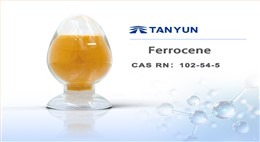 Ferrocene powder
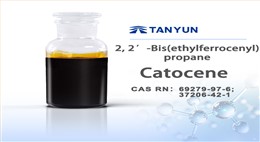 2, 2′-Bis(ethylferrocenyl) propane/Catocene (TypeⅠ)
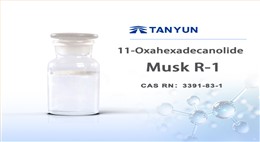 11-Oxahexadecanolide/Musk R-1
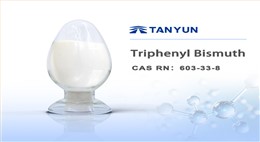 Triphenyl Bismuth/TPB